
Machinery & automation
Tension, force and load measurement for production machinery, robot components and weighing equipment.
Moving wire, a robot wrist and a loaded hopper impose different mechanical loads. The sensor structure, load direction and mounting arrangement determine which model fits the machine.

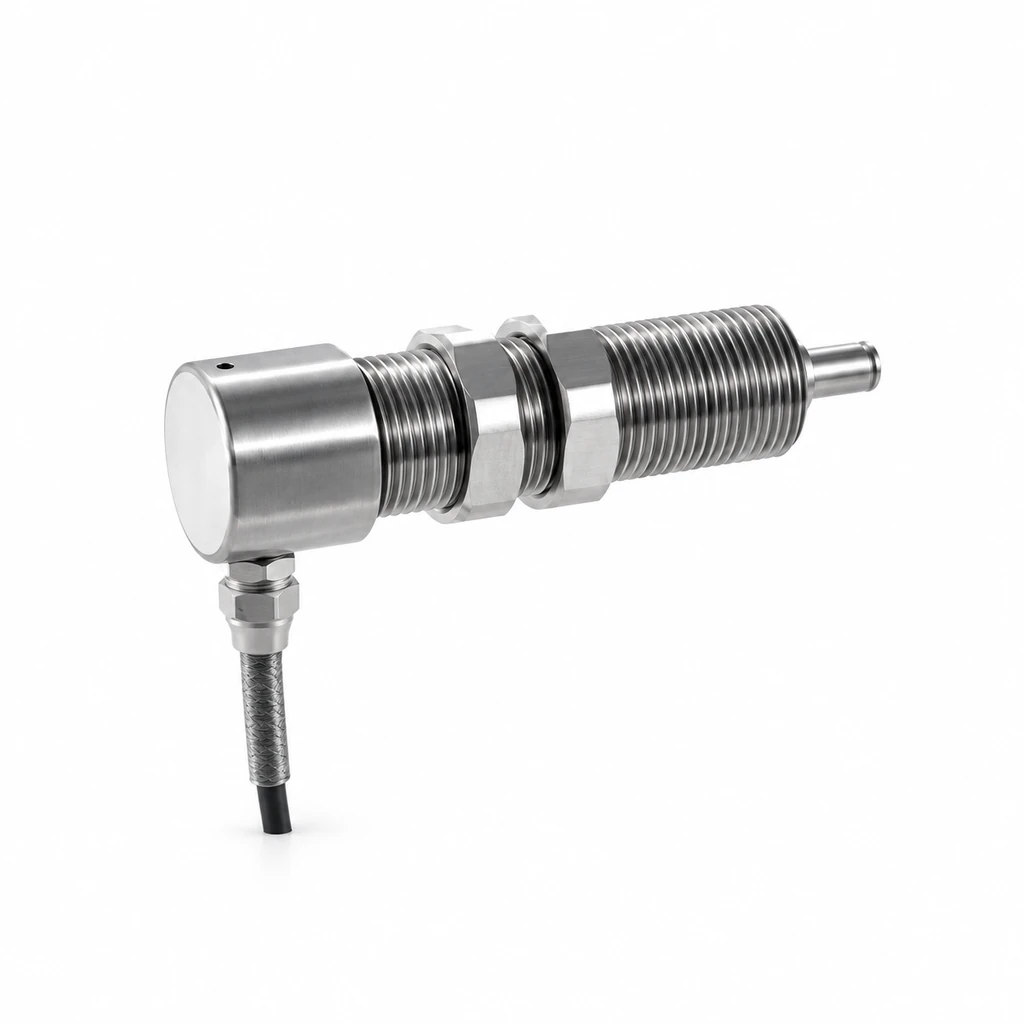
Material tension
Yarn, wire and web tension
The HFS-TS3 measures tension in textile yarn, metal wire and strip or web processes. Its bending-beam structure uses a fixed end and a loaded end, with a threaded stainless-steel body for mounting. The signal is specified in mV/V relative to the excitation voltage.
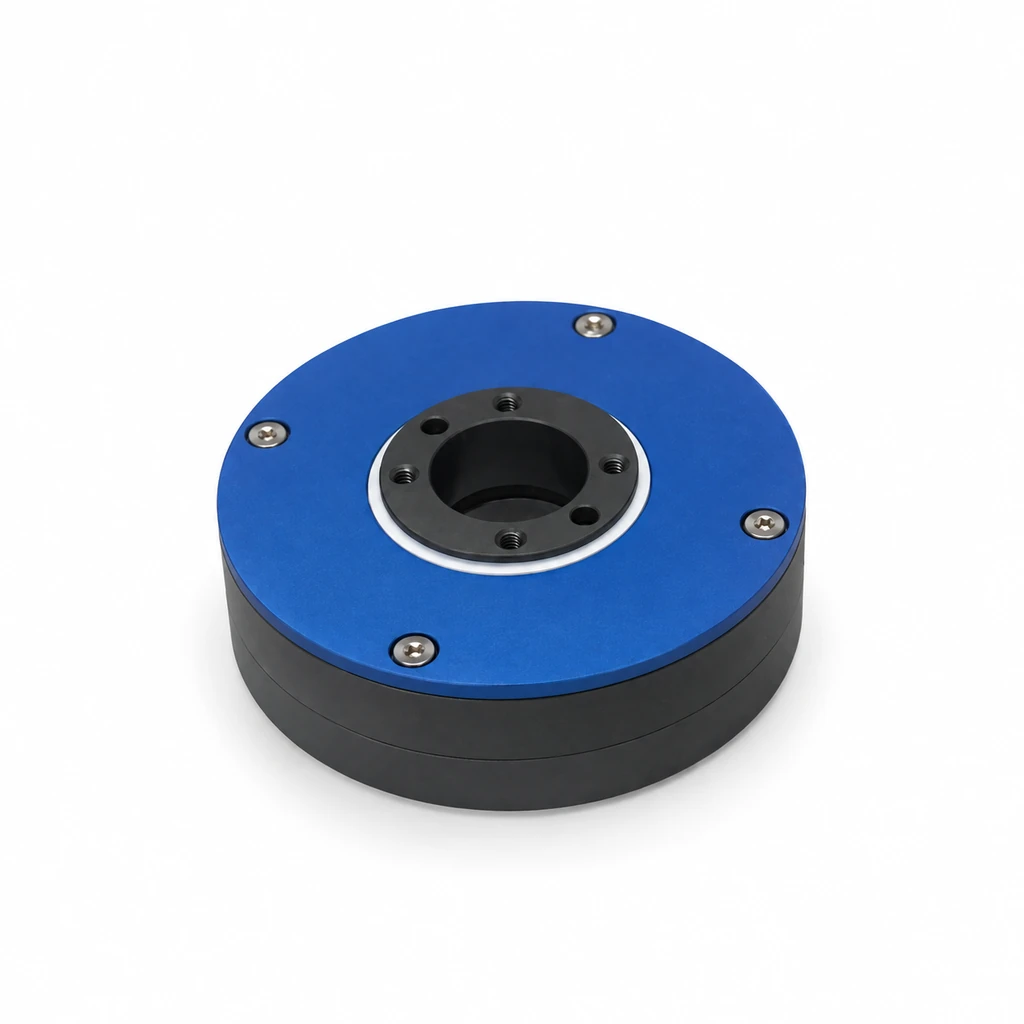
Force and moment
Force sensing at robot components
The HFS-MF3 uses resistive strain sensing to measure external force and moment at robot components such as wrists and fingers. Force and moment ranges are selected for the mechanical load at the mounting point.
HFS-MF3Multi-axis force sensor
- Force ranges
- 50, 100, 200 or 250 N configuration
- Moment ranges
- 2, 4, 8 or 10 N·m configuration
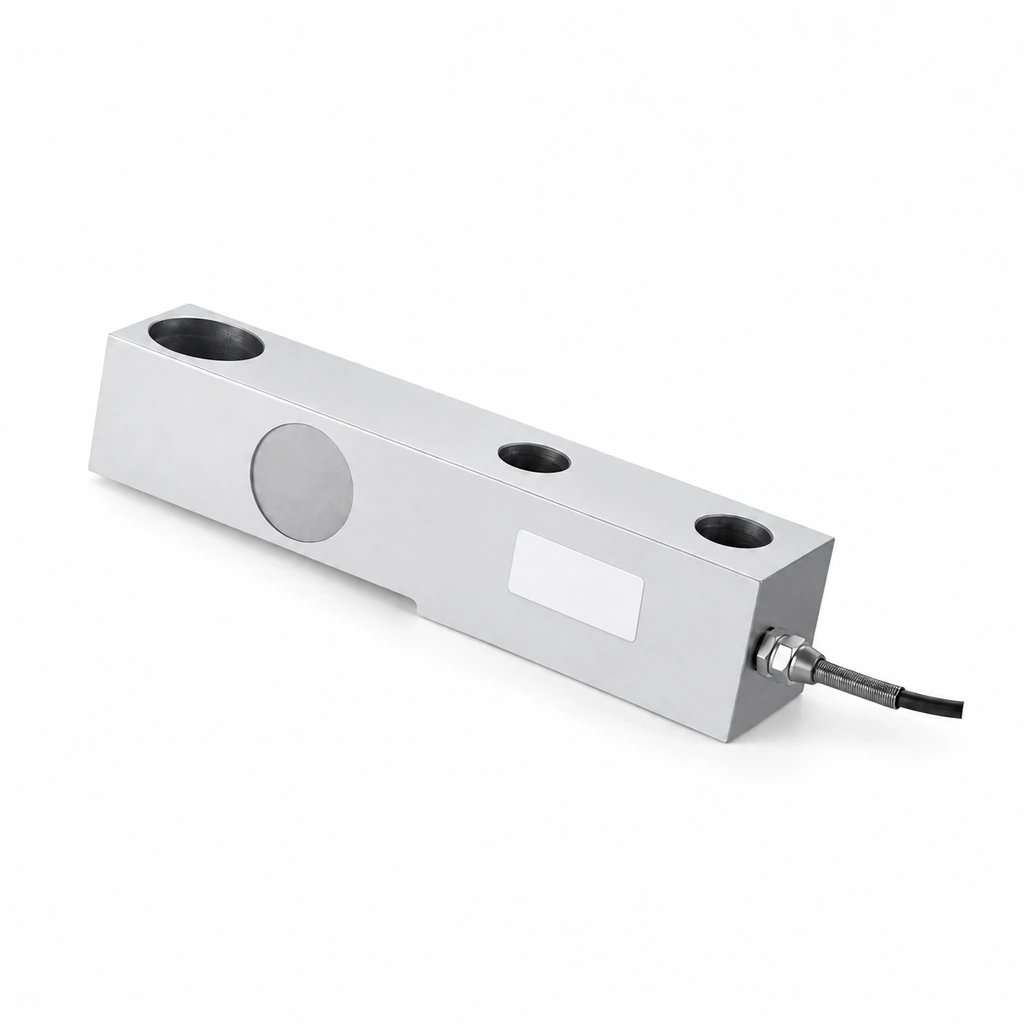
Load measurement
Hopper and tank weighing
The HFS-BP4 shear-beam load cell is used in platform, hopper and tank scales. One end of the beam is fixed and the other receives the load. Capacity and material selections allow the cell to be matched to the weighing arrangement.
HFS-BP4Beam load cell
- Capacity selections
- 500 kg–20 t
- Material
- Alloy steel or stainless steel
Configuration for your application
Mechanical load
Specify tension, force, moment or weight, together with the normal load and expected peak load.
Mounting geometry
Provide the load direction, mounting dimensions and available space so the sensor can be matched to the mechanism.
Signal input
Match the sensor excitation and analogue signal to the measuring amplifier or receiving instrument.